After years of specializing in instruments and channels, firms are returning to fundamentals: belief in manufacturers, clear enterprise worth, and actual influence on progress. AI modifications how folks uncover manufacturers, privateness limits monitoring, and CFO stress makes “ok” advertising efficiency tougher to justify.
To know what is going to form technique and price range allocation in 2026, we requested entrepreneurs and leaders what they’re prioritizing—and what they’re reducing. Combining their views with broader development indicators, we’ve mapped advertising priorities with implementation issues.
Key Takeaways
- AI is turning into infrastructure, not an experiment. Successful groups fund workflows, governance, and measurable outcomes—not remoted pilots.
- One-to-one personalization is again—powered by first-party information. CMOs are prioritizing end-to-end buyer expertise throughout all the journey, not simply acquisition.
- Advertising and marketing budgets are clustering round three themes: model constructing, provable AI ROI, and first-party information—whereas high-quality CX (Buyer Expertise) is rising to the highest once more.
- “Effectiveness over quantity” is the brand new default. Financial uncertainty is pushing for stricter measurement, clearer attribution logic, and more durable selections about what to scale (and what to cease).
#1 AI and Automation (Umbrella Pattern)
What it’s in 2026
AI is not “simply content material era.” In 2026, it features as advertising infrastructure: accelerating viewers analysis, artistic iteration, lifecycle messaging, marketing campaign optimization, and help/ops—whereas additionally introducing a brand new layer of AI governance (model security, authorized, disclosure, hallucinations, and IP danger).
Within the State of Advertising and marketing Europe 2026 examine, McKinsey surveyed 500 advertising leaders throughout 5 European nations and recognized three key instructions shaping the 2026 agenda: belief, effectiveness, and using generative AI. 68% of world CMOs title AI because the #1 advertising precedence for 2026—greater than another focus space.
Why it issues for digital advertising budgets
AI spend is shifting from discretionary pilots to baseline working price—and that modifications budgeting in these methods:
1.Tooling fragmentation forces decisions. Groups both standardize on a platform for shared workflows and governance or assemble a stack of specialised instruments for particular duties (content material optimization, technical auditing, analysis, and so forth.). The best determination depends upon group dimension, compliance necessities, and the way centralized your course of is.
2.ROI turns into the gatekeeper. Management expects measurable influence tied to enterprise metrics (pipeline, income, retention), not vainness outputs (extra content material, extra campaigns, extra “exercise”).
3.Visibility is altering. As AI-driven discovery reshapes search habits, manufacturers want a price range for answer-focused content material, entity indicators, structured information, and measurement—in any other case these initiatives keep underfunded and invisible.
What to fund in 2026: the place digital advertising spending goes
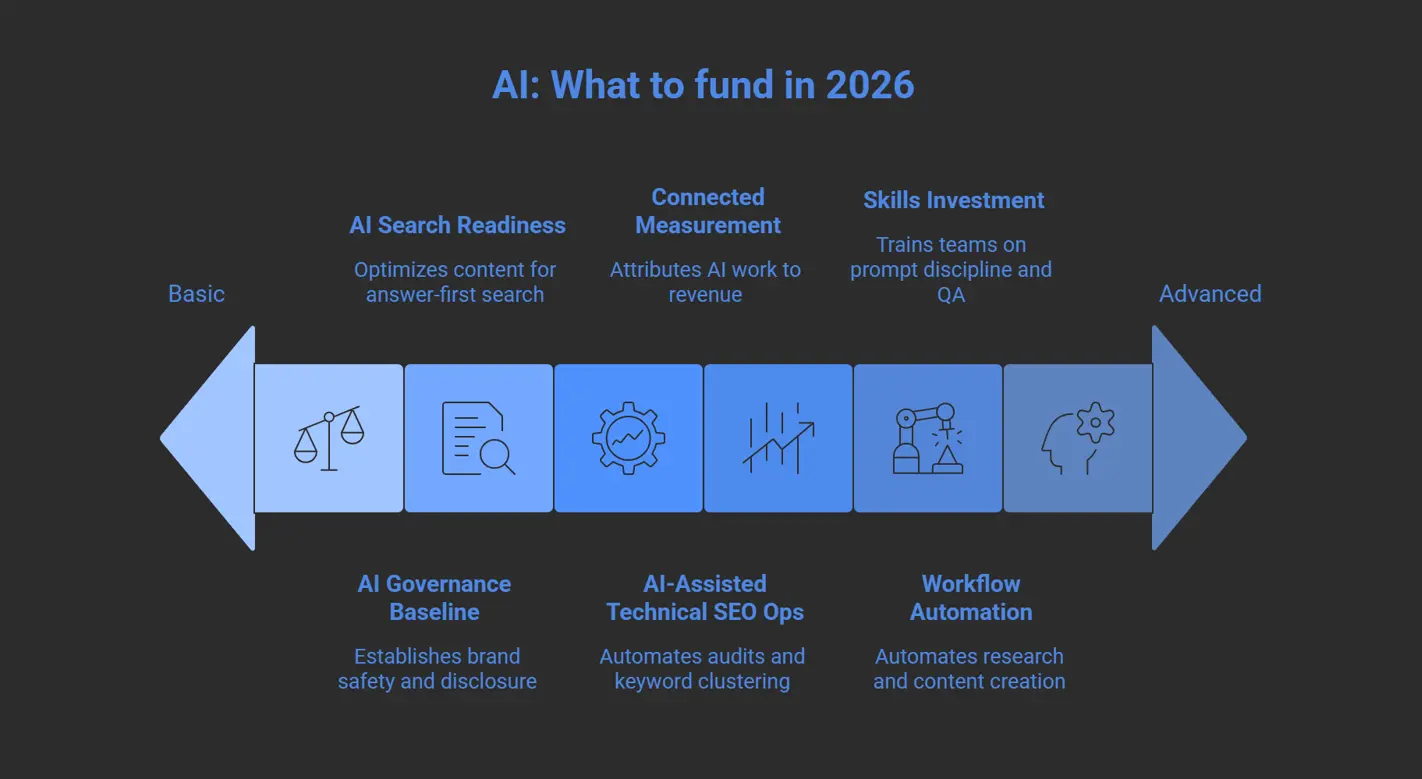
- AI governance baseline. Model security guidelines, disclosure coverage, approval workflow, “human-in-the-loop” evaluate for high-risk outputs.
- Workflow automation. AI-assisted analysis briefs, content material outlines, artistic variants, reporting summaries—measured by time saved + throughput.
- AI search readiness (starter equipment). Replace content material to be answer-first, add fundamental schema the place related, strengthen writer/model credibility indicators on key pages.
- Related measurement. Outline how AI-enabled work is attributed (incrementality checks, blended attribution logic, channel-level KPIs that tie to income).
- AI-assisted technical web optimization Ops. Automate recurring audits, key phrase clustering, inside linking solutions, and reporting—whereas reserving skilled time for technique, prioritization, and high quality management.
- Expertise funding. Practice groups on immediate self-discipline, QA processes, analysis rubrics, and brand-safe AI utilization—as a result of uncontrolled automation turns into a belief danger.
Automation helps—however unchecked AI can injury belief, so preserve skilled oversight within the loop.
Knowledgeable quote
AI visibility used to get much less focus as a result of we didn’t have instruments to investigate it. Now we do—and the work is transferring quick.

Within the second half of 2025, the image modified considerably — the position of AI, LLM platforms, and new consumer touchpoints grew to become a lot greater.

#2 Distribution Throughout Natural and Paid Channels
What it’s in 2026
Distribution is now extra necessary than ever. Within the newest Q&A, OpenAI CEO Sam Altman mentioned that as creating merchandise turns into simpler, distribution and consumer consideration are the primary constraints.
Audiences uncover manufacturers throughout a number of surfaces—traditional search, AI solutions, social, video, creators, and communities—whereas paid attain and platform algorithms keep risky. The precedence in 2026 is constructing a resilient progress engine that pairs:
- Robust natural fundamentals (technical efficiency, content material structure, credibility indicators, model belief)
- Paid advert efficiency (artistic testing, viewers technique, marginal ROI)
- Lifecycle conversion (e mail/nurture/retention loops that flip site visitors into income)
That is additionally the place “traditional web optimization” expands into GEO: optimizing for visibility in AI assistants and AI-driven search by structured content material, entity/model indicators, and high-quality proof property (case research, skilled content material, video).
Why it issues for digital advertising budgets
1.Fragmented discovery = fragmented spend. The digital advertising price range will get unfold skinny throughout platforms except you intentionally select “fewer however deeper” channels tied to measurable outcomes.
2.Paid is much less predictable. That forces stronger artistic operations and tighter measurement.
3.Natural is strategic, not elective. For lengthy B2B cycles, web optimization, content material, YouTube, group help repeated touchpoints and scale back dependency on paid volatility.
4.Silos waste cash. When advertising, gross sales, and finance function on totally different definitions of “good efficiency,” you get useful resource conflicts, misattribution, and wasted spend.
What to fund in 2026: the place digital advertising spending goes
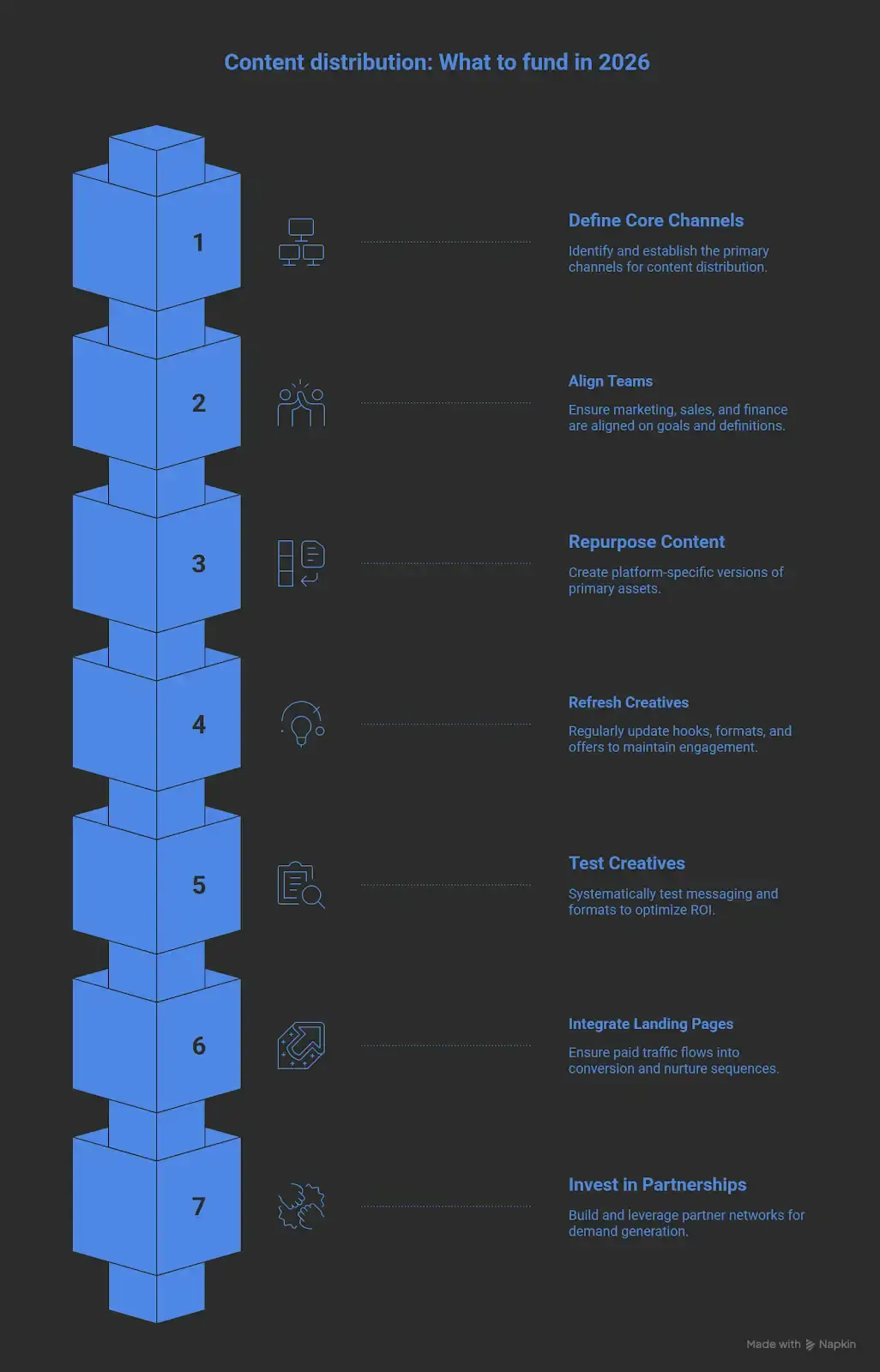
- Choose 3–5 core channels and outline the position of every (demand seize vs demand creation vs retention).
- Align advertising, gross sales, finance on one set of outcomes (pipeline, income, retention), shared definitions, and a month-to-month “scale/maintain/cease” cadence.
- Content material repurposing system. Create 1 major asset → produce platform-specific variations (YouTube, LinkedIn, quick video, publication, group posts). Keep away from an identical cross-posting.
- Artistic refresh rhythm. Forestall diminishing returns by refreshing hooks, codecs, and gives on a schedule (e.g., month-to-month iterations + quarterly repositioning).
- Artistic testing framework. Take a look at messaging angles and codecs systematically; scale solely what improves marginal ROI (not simply CTR).
- Touchdown lifecycle integration. Guarantee paid site visitors routes into conversion and nurture (e mail sequences, retargeting, onboarding), not dead-end pages.
- Put money into accomplice networks, referral packages, and co-marketing—particularly if paid demand is risky.
Knowledgeable quote
We’ve been working in an omnipresent advertising mannequin for years—web optimization is tightly built-in with PPC, branding, product, and different channels from planning to execution to evaluation.
We work throughout content material, web site, partnerships, new product improvement, and market testing… The partnership channel carried out greatest, whereas paid site visitors carried out worse resulting from a drop in demand.
#3 Conversion Optimization (CRO)
What it’s in 2026
CRO in 2026 is not “touchdown web page tweaks.” As site visitors turns into dearer and extra fragmented (search + AI solutions + social + video + creators + communities), progress more and more comes from bettering conversion, retention, and LTV—not simply shopping for extra clicks.
Which means CRO expands throughout the complete journey: pricing pages, onboarding, checkout, activation, lifecycle messaging, and retention loops—all tied to profitability, CAC payback, and funnel diagnostics.
Advertising and marketing spend in lots of firms approaches 8–9% of income, and in high-growth companies exceeds 10%. At that scale, even 1–2% inefficiency turns into a significant monetary loss.
Why it issues for digital advertising budgets
1.CRO is probably the most controllable progress lever. When market progress is constrained and paid effectivity fluctuates, bettering conversion and retention can raise outcomes with out proportional spend will increase.
2.Finance stress is rising. CFOs and boards problem advertising returns extra aggressively, so “extra site visitors” is a weaker argument than “extra income from the identical site visitors.”
3.Small inefficiencies get costly at scale. As soon as advertising spend turns into a significant line merchandise, even minor conversion losses translate into actual monetary leakage.
What to fund in 2026: the place digital advertising spending goes
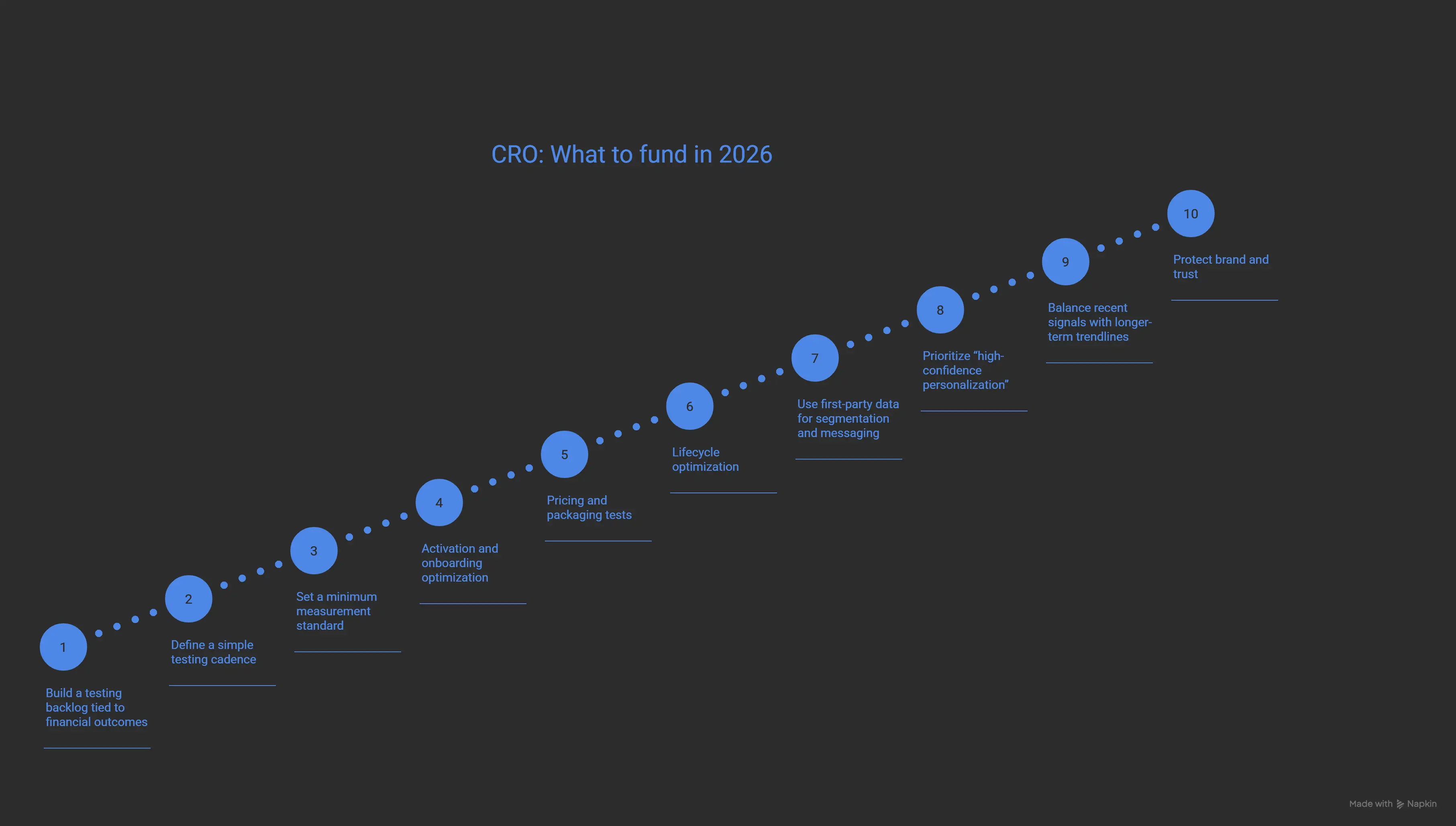
- Construct a testing backlog tied to monetary outcomes: CAC payback, conversion fee, LTV, retention— not simply CTR.
- Outline a easy testing cadence. Weekly experiments and month-to-month learnings evaluate.
- Set a minimal measurement customary (pattern dimension, take a look at length, major metric).
- Activation and onboarding optimization (time-to-value, aha moments, friction elimination).
- Pricing and packaging checks (plan readability, proof, objection dealing with).
- Lifecycle optimization (e mail, in-app nudges, retargeting, churn prevention).
- Use first-party information for segmentation and personalised messaging—however preserve it measurable and privacy-safe.
- Prioritize “high-confidence personalization” (e.g., by intent, trade, stage) over overly granular guidelines which can be onerous to take care of.
- Don’t let selections be pushed solely by the final 2–4 weeks of efficiency. Steadiness latest indicators with longer-term trendlines (seasonality, pipeline lag, cohort retention).
- Defend model and belief, aggressive short-term conversion hacks can backfire in risky markets.
Knowledgeable quote
In 2026, it’s much less about scaling and extra about adapting… The winners gained’t be those that scale extra, however those that adapt quicker.
#4 Knowledge Analytics and Attribution
What it’s in 2026
Advertising and marketing measurement is shifting from “good user-level monitoring” to decision-grade measurement. Privateness modifications and sign loss are pushing groups towards first-party information, server-side tagging, privacy-safe matching, and modeled attribution.
Jentis: Server-side Monitoring Report 2026
Adoption traits, trade indicators, and strategic implications
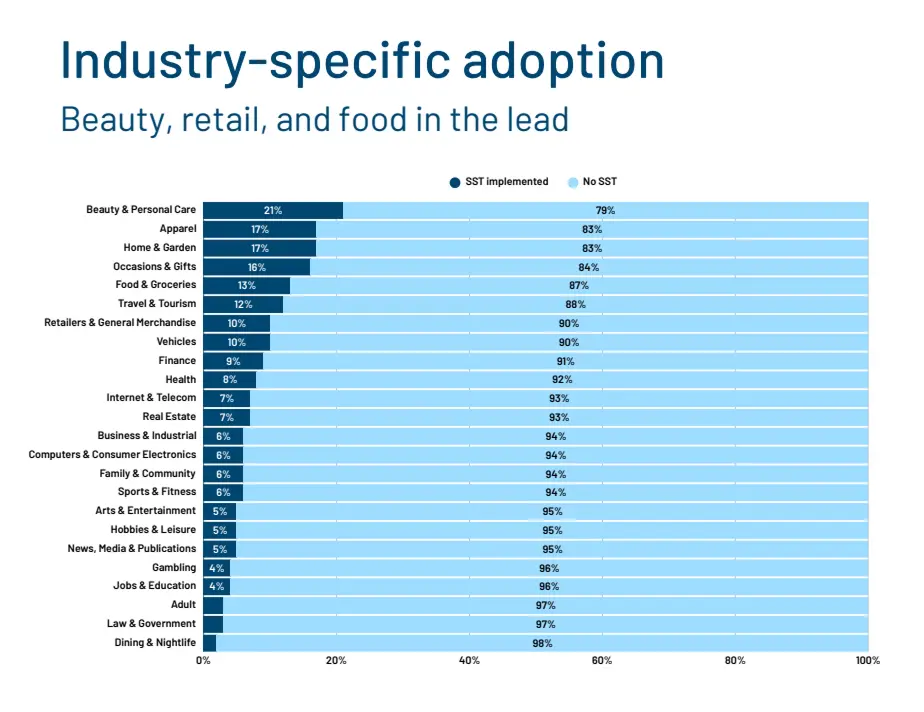
In follow, attribution in 2026 is much less about one flawless supply of fact—and extra a couple of blended measurement system you’ll be able to defend in price range conversations.
Why it issues for digital advertising budgets
1.You possibly can’t scale what you’ll be able to’t defend. As many groups plan to extend or reallocate budgets, finance and management stress rises: present the enterprise influence per channel, not simply exercise metrics.
2.Attribution is getting tougher, not simpler. Cookie-based journeys are fragmented; measurement gaps seem throughout gadgets, browsers, and walled gardens—so channel ROI debates get louder and slower.
3.Discovery is multi-surface now. Visibility isn’t simply “Google rankings.” Groups want to grasp presence throughout search + AI solutions + social/video/group surfaces to keep away from funding the unsuitable levers.
What to fund in 2026: the place digital advertising spending goes
- First-party information seize upgrades. Higher e mail seize flows, worth exchanges, desire facilities, account creation incentives.
- Server-side monitoring rollout. Server-side GTM (or equal), consent-mode alignment, occasion governance (naming, definitions, QA).
- CRM + web site + product information connection. Minimal viable buyer view so you’ll be able to tie advertising touchpoints to pipeline/income/retention.
- Unified visibility monitoring. Monitor model demand + natural visibility + paid effectivity + main discovery surfaces in a single dashboard (even when it’s imperfect).
- Blended attribution strategy, aligned to 1–2 exec-friendly KPIs. If a channel can’t present a believable path to enterprise influence, don’t scale it—repair measurement first.
- If market calls for shift, keep near buyer insights and be able to pivot shortly.
Knowledgeable quote
Much less consideration will go to channels and ways that don’t have a clear influence on enterprise metrics, function in isolation, or adapt poorly to modifications in consumer habits and AI.
#5 Neighborhood Constructing
What it’s in 2026
Neighborhood in 2026 is an owned viewers and belief engine—not a “nice-to-have” social tactic. As AI and automation contact extra buyer interactions, folks turn into extra delicate to opaque practices, manipulation, and gaps between model guarantees and actual expertise. A well-run group helps manufacturers keep credible, human, and persistently current throughout an extended determination cycle.
Communities additionally act as a two-way system: you construct relationships whereas repeatedly gathering buyer perception, questions, objections, and product suggestions.
Why it issues for digital advertising budgets
1.Belief is a progress multiplier. In markets crowded with AI-generated content material, group turns into proof of actual experience and actual customers.
2.Paid attain is risky. When algorithms shift and CPMs rise, owned channels (group, e mail/SMS, occasions) scale back dependency on rented consideration.
3.Neighborhood improves effectivity throughout the funnel. It helps retention, advocacy, referrals, UGC, and quicker product/positioning studying loops — usually decreasing CAC over time.
4.It creates sturdy distribution. Neighborhood members amplify content material and gives naturally, which compounds natural attain.
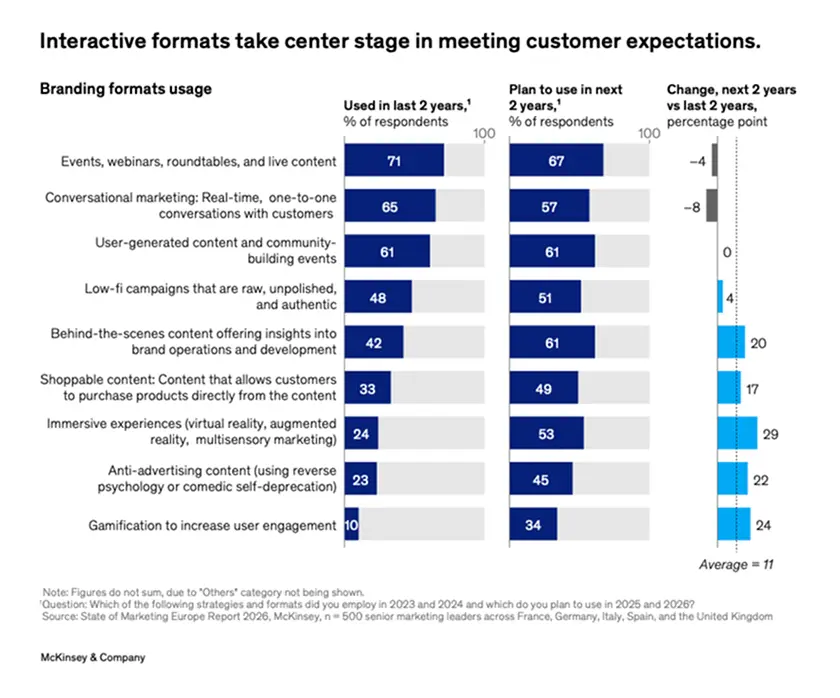
What to fund in 2026: the place digital advertising spending goes
- Choose one major hub: LinkedIn group, Slack/Discord, Telegram, Reddit, non-public discussion board, or events-led group.
- Seed UGC: templates, prompts, “member spotlights,” AMA periods, skilled roundups.
- Monitor recurring questions and objections → flip them into content material briefs, touchdown web page enhancements, enablement, and product roadmap inputs.
- Create light-weight tagging for themes (pricing, integrations, use instances) so insights don’t get misplaced.
- Use advocacy and referral mechanics like an envoy program: early entry, co-marketing, talking slots, accomplice perks. Make it straightforward to introduce friends and reward contributions (not simply sign-ups).
- Don’t decide the group solely by short-term leads. Monitor: retention, repeat engagement, assisted conversions, referrals, UGC quantity, qualitative perception wins, and churn danger discount.
Knowledgeable quote
UGC outperformed for us, whereas chasing ‘development codecs’—like LinkedIn video traits — underperformed. In 2026, we’ll concentrate on reactivating communities as social audiences turn into extra passive, and we’ll deprioritize Fb and X as a result of they haven’t delivered outcomes
Conclusion
Advertising and marketing priorities now middle on measurement that works in an AI-search world, related information stacks, and disciplined experimentation throughout artistic and channel combine, so model and efficiency function as one built-in progress system, not competing features.