Abstract: New mind imaging analysis reveals that structural injury in schizophrenia spectrum issues might start in particular “epicenter” areas earlier than spreading throughout related mind networks. People with the situation confirmed widespread reductions in structural similarity between key cognitive and emotional mind areas.
These disruptions had been strongest in sufferers with extra extreme signs and poorer cognitive functioning, suggesting a detailed hyperlink between mind disconnection and scientific final result. The findings assist the concept that schizophrenia entails progressive network-level mind adjustments moderately than remoted regional injury.
Key Details
- Early Injury Websites: Structural abnormalities seem to originate in higher-order affiliation areas of the temporal, cingulate, and insular lobes.
- Community Disconnection: Lowered structural similarity between mind areas displays widespread morphological disconnection.
- Neurobiological Signature: Affected areas present excessive astrocyte density, altered dopamine and serotonin signaling, and lowered metabolic exercise.
Supply: College of Seville
Researchers on the College of Seville have recognized the attainable origins of structural injury within the brains of sufferers with schizophrenia spectrum issues (SSDs). These are areas that present the best morphological alterations within the early phases of the illness in comparison with neurotypical individuals of the identical intercourse and age.
The examine additionally additionally discovered that individuals with SSD have vital reductions in structural similarity between totally different areas of the temporal, cingulate and insular lobes.

A rising variety of research assist the speculation that psychiatric circumstances initially emerge as structural alterations in particular mind areas and subsequently unfold to different areas by way of mind connectivity. SSDs are characterised by atypical mind maturation, reminiscent of lowered quantity, space and thickness of the cerebral cortex.
These alterations, related to cognitive deficits and extreme signs, comply with a sample that displays disconnection inside particular mind networks.
The structural similarity between totally different cortical areas could be estimated utilizing networks primarily based on Morphometric Inverse Divergence (MIND), a strategy that makes use of traits derived from structural magnetic resonance imaging (MRI), reminiscent of quantity, floor space and cortical thickness.
These networks quantify the diploma of morphological similarity between totally different pairs of areas, the place decreased MIND values point out much less structural similarity, which could be interpreted as higher morphological disconnection between the pairs.
Making use of this current methodology, MIND networks had been constructed for 195 wholesome controls and 352 people with SSD. In comparison with wholesome sufferers, these latter group confirmed vital reductions in structural similarity, primarily within the temporal, cingulate and insular lobes.
These decreases had been extra pronounced in people with a poorer scientific standing, outlined by higher cognitive impairment and extra extreme signs. The alterations had been primarily situated in higher-order affiliation areas, which mature later and are elementary for advanced cognitive features.
The examine additionally recognized the attainable origins, or epicentres, of structural injury, outlined as areas displaying the best morphological alterations within the early stage of the illness in comparison with the anticipated values for neurotypical people of the identical intercourse and age.
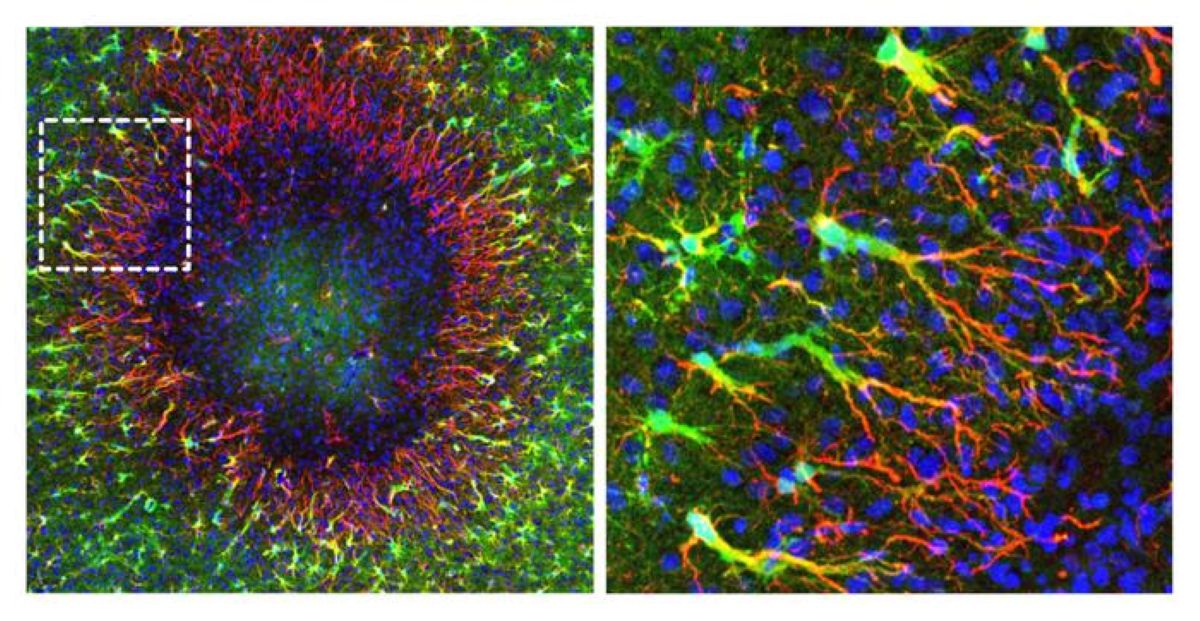
Lastly, 46 neurobiological traits had been associated to the MIND networks, revealing that areas with decrease similarity in people with SSD have a excessive presence of astrocytes and neurotransmitters, reminiscent of dopamine and serotonin, in addition to lowered metabolism and cortical microstructure.
These findings present proof of the advanced interplay between structural similarity, maturation processes and underlying neurobiology in figuring out the scientific standing of people with SSD. This method may contribute to the event of structural biomarkers and personalised therapeutic methods primarily based on every affected person’s organic and scientific profile.
Key Questions Answered:
A: Injury seems to originate in particular areas of the temporal, cingulate, and insular lobes earlier than spreading by way of related networks.
A: Researchers used superior MRI-based structural similarity mapping to measure how intently totally different mind areas resemble each other.
A: Larger structural disconnection is linked to worse cognitive impairment and extra extreme signs.
Editorial Notes:
- This text was edited by a Neuroscience Information editor.
- Journal paper reviewed in full.
- Extra context added by our workers.
About this schizophrenia analysis information
Creator: María García Gordillo
Supply: College of Seville
Contact: María García Gordillo – College of Seville
Picture: The picture is credited to Neuroscience Information
Unique Analysis: Open entry.
“Lowered mind structural similarity is related to maturation, neurobiological options, and scientific standing in schizophrenia” by Natalia García-San-Martín et al. Nature Communications
Summary
Lowered mind structural similarity is related to maturation, neurobiological options, and scientific standing in schizophrenia
Schizophrenia spectrum issues (SSD) are characterised by atypical mind maturation, together with alterations in structural similarity between areas.
Utilizing structural MRI information from 195 wholesome controls (HC) and 352 people with SSD, we assemble particular person Morphometric INverse Divergence (MIND) networks.
In comparison with HC, people with SSD primarily exhibit lowered structural similarity within the temporal, cingulate, and insular lobes, being extra pronounced in people exhibiting a ‘poor’ scientific standing (extra impaired cognitive functioning and extra extreme symptomatology).
These alterations are related to cortical hierarchy and maturational occasions, finding MIND reductions in higher-order affiliation areas that mature later.
Lastly, we map 46 neurobiological options onto MIND networks, revealing a excessive presence of neurotransmitters and astrocytes, together with decreased metabolism and microstructure, in areas with lowered similarity in SSD.
These findings present proof on the advanced interaction between structural similarity, maturational occasions, and the underlying neurobiology in figuring out scientific standing of people with SSD.